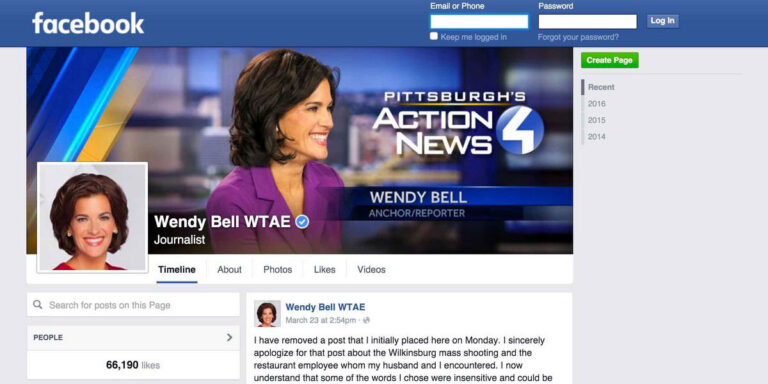
Have you ever…accidentally liked something on Facebook? Accidentally friended someone online? Or forgotten to set your LinkedIn to view anonymously before creeping on a stranger’s LinkedIn? Accidental social media interactions happen, but it can be costly.
If you’ve ever done these things, you know that immediate, unpleasant feeling of regret that follows.
However, if the person you’re looking at online is someone you’re investigating, this type of interaction could not only be regrettable, but could severely harm your case.
Collecting evidence on social media has become a necessary part of many investigations, but there are risks to watch out for when doing the investigations in-house. If you’re doing your own investigations, remember to be careful where you click.
3 Dangers of Accidental Social Media Interactions
1. Breach of Confidentiality
If you are a lawyer or private investigator looking at an opposing party’s Twitter account, it would be easy to accidentally retweet a post. If this happened, you could be broadcasting to your personal or professional network of Twitter followers that you were looking at evidence on someone’s Twitter feed.
Most legal cases and investigations are highly confidential, and a simple click of a button could mean a breach of confidentiality.
2. Ethical Violations
If you’re a lawyer, interacting with an opposing party online can have serious ramifications. If you don’t believe me, check out this case, in which two New Jersey attorneys were sanctioned for sending a friend request.
Even if you’re not intending to send a friend request or request access to private content, it can be easy to mistakenly click a button while on another party’s social media profile. If you’re searching from a personal account, they will likely even start showing up on Facebook in the People You May Know box.
Under the Model Rules of Professional Conduct and the guidelines for many states, sending a friend request to an opposing party can be considered communicating with a person represented by counsel. Make sure to check out what rules apply in your state for conducting social media investigations.
3. Risks of Losing Evidence
If you accidentally let a subject know you’re viewing them online, your window of opportunity for easily collecting evidence a drops dramatically. While monitoring thousands of cases, we’ve learned that the best time to check a subject’s profile is after an event has happened, but before the subject realizes someone will be checking their accounts.
Expanding Facebook comments is a lot like playing Operation, except instead of losing a turn, you lose all your evidence.
Through following thousands of cases, we’ve learned that subjects frequently clean up, deactivate or completely delete their social media profiles in the middle of investigations and legal proceedings. In one case, we exported a Facebook page that was approximately 1,200 pages long only hours before the profile was taken down.
If you accidentally interact with a subject online and they figure out that you’re looking at them, their first move will likely be to delete their accounts to prevent you from retrieving evidence.
Once this happens, there’s not a lot you can do.
Ways to Avoid Accidental Interactions
Use a Third Party
The best way to avoid accidental interactions on social media is to outsource your investigations to a trusted third party (like SMI! #shamelessmarketingplug).
Even if you haven’t actively interacted with a subject’s webpage, you or your employees could still be giving the investigation away. If you visit someone’s site, they could be able to track your IP address and find out that someone from your company is looking for them on the web. If you view someone’s profile on LinkedIn without switching your profile to anonymous, they will receive a notification that you are looking at them.
Protecting confidentiality is one of the biggest reasons our customers come to us. Many law offices now order both our investigative reports and our Exports for every legal case so that they can find, view and preserve evidence without ever having to navigate to a subject’s page.
Outsourcing to a third party protects your anonymity and ensures that the investigation does not give subjects any reason to believe you’re looking into them. Companies like SMI take many precautionary steps in order to prevent subjects from finding out that anyone is searching for them.
Never Search From a Personal Account
If you are going to do the investigations in-house, the most important thing to remember is to make sure you never conduct searches while logged into a personal or company account. It takes an advanced computer user to do things like track your IP address, but just about anyone will be put on alert if they receive a notification that someone from your firm is looking at one of their social media profiles.
Social Media Information, LLC (SMI) specializes in finding and preserving online evidence for lawyers, private investigators, insurance companies, pre-employment firms and others.